
How to start doing UGC in Portugal
The market filled up, entry prices fell and AI is already eating the generic work. What still works in 2026, told by someone who receives creator applications every week.
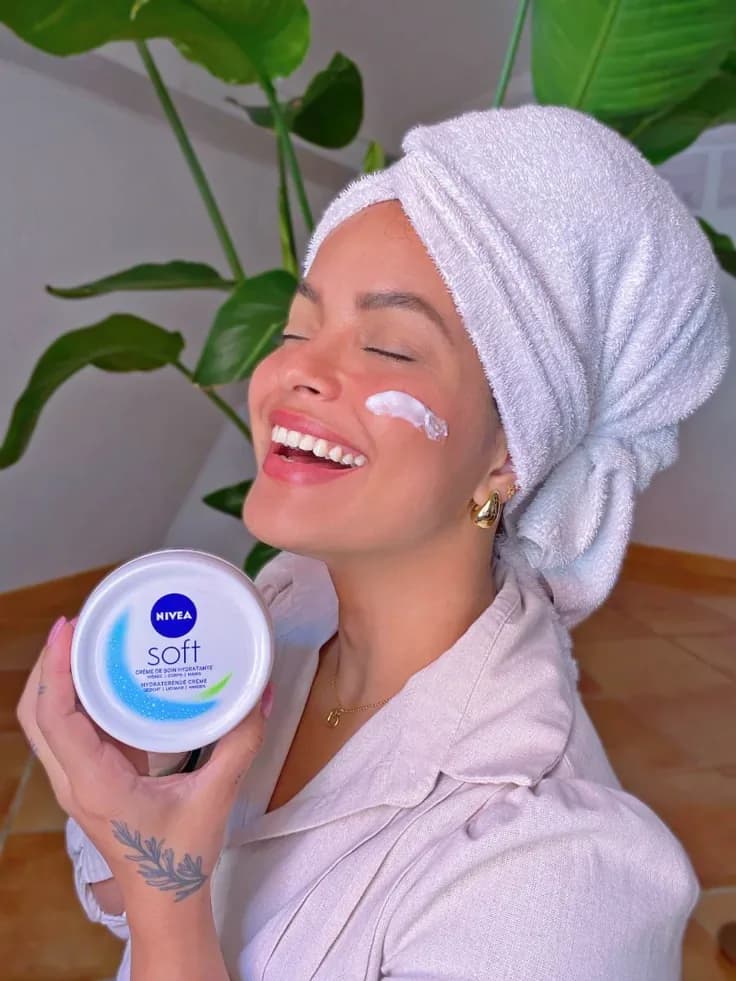
In 2022 the recipe was simple: a phone, window light, three practice videos and you were in. That recipe is still all over every article about UGC, and anyone entering now by following it falls by the wayside, because the market has changed. This is the unfiltered article, written by people who receive creator applications every week.
First, what UGC actually is
UGC stands for user generated content. In practice, it's video you film for a brand to use as its own, in its ads and on its product page. It doesn't go on your profile, often doesn't even carry your name, and your follower count counts for zero: whoever hires is buying the video, not your audience. The reason this format exists is that a video of yours, filmed by the kitchen window with the product in hand, reads as a recommendation and not as an ad. It's production work, not influencer work.
The truth about the market in 2026
Now, the part other articles don't tell you: in the last two years far more people came in than new work, and you can see it in the applications we receive, in the longer queue for every job and in entry prices falling.
At the same time AI arrived, and a brand can now generate a video with an avatar talking about the product for a fraction of what a real creator costs, with many using it to mass-test ideas. The work AI eats first is precisely the most generic: a face reading a script at the camera, with no product in hand and no life around it.
What AI doesn't do is the rest: the product actually in your hand, your real home, your accent, a reaction nobody wrote. And it doesn't do something even more valuable, which is thinking like the person paying for the ads. A creator who delivers three different openings of the same video, so the brand can test which one holds, is worth more than ten pretty videos nobody can compare.
It has never been easier to start, and never harder to live off it. The difference is in the craft, not the equipment.
The basics, dispatched in one paragraph
Yes: a phone from the last few years, a big window, a tripod and a quiet spot, with double the attention on sound, which is what gives beginners away first. There, done, and don't spend money on anything else for now, because this isn't won or lost on equipment.
Your first three videos
To apply for anything you'll need to show work, and nobody gives you the first job so you can have work to show. It's solved by filming on your own, with products you already use and have at home.
Pick three different products and film one video for each, in different formats, because whoever watches wants to see you can do more than one thing.
- A demo: you pick up the product, show how it's used and say in one sentence what changes.
- A testimonial: you talk to the camera about the problem you had before and what happened after.
- An unboxing, the box opened for the first time on camera, or a routine video, where the product appears in the middle of something you'd be doing anyway.
Three real examples, one per format, from international creators who do this for a living. Tap a video to watch it on TikTok:
 @ugcwithkaytelynn
Demo  @creativelycarla
Testimonial  @soycarlsss
Unboxing
Now the step almost nobody takes, the one that separates a real portfolio from a practice one: take one of those videos and film three different openings for it, the same video with three distinct first seconds. These openings are what the market calls hooks, and it's how brands test ads: an applicant who delivers hook variations is speaking their language before the first meeting.
Film everything vertical, 9:16, and treat the first two seconds as the whole video, because in an ad that's where it's decided whether anyone stays. Open with the problem or the result, never with an introduction of yourself. In practice, the first sentence sounds like one of these:
- I spent three years wasting money on creams until I figured this out.
- If you sleep badly, the problem might not be the mattress.
- Nobody warned me about this before I bought my first white sneakers.
Notice what these sentences have in common: none says the brand's name, none opens with good morning and all of them promise information you haven't given yet. That's the job of the first two seconds.
How you charge
The work is paid per delivered video, but the classic beginner mistake is giving one single closed number, because the real money isn't in the video: it's in what the brand does with it. Each of these is its own line in your price, always with a written time limit:
- Usage rights. The brand putting the video on its own profile is one thing; using it in paid ads is another, and it's paid separately and with a time limit, thirty, sixty or ninety days. Without a limit, the video can generate sales for years and you got paid once.
- Variations. Every extra hook or version of the same script counts as a delivery and is charged as one.
- Exclusivity. If the brand doesn't want you filming for its competitors, that's worth money and also has a time limit.
- Ads on your own account, the Spark Ads. They use your face and your profile for as long as they run, so they're paid for as long as they run.
How much to charge in euros depends on the rights, the brand and the size of the video batch you close, and any published price table would be wrong for your case. The rule that matters is one: everything the brand asks for beyond one video delivered once has a price and a time limit, agreed in writing before filming.
You're working for yourself, so invoices: in Portugal, most people start by registering as self-employed on Portal das Finanças, the tax office's portal, under category B. And a detail almost nobody knows: products gifted in exchange for content count as income and must be declared. Half an hour with an accountant at the start saves headaches at the end of the year.
The professionalism nobody sees
We talk to brands every week, and what makes them call a creator again is almost never the video being prettier. It's the invisible part: delivering on the agreed deadline, answering messages the same day, showing up to meetings on time and redoing a plan without drama when asked. Plenty of people lose the second job here, not on the first video.
How to deliver the files
This part appears in no article and weighs more than it seems when the brand decides whether to call you again. What you deliver is material their team can still work with, not a locked video.
- Vertical, 9:16, in 4K if your phone allows it.
- No music, no filters and no captions burned into the image. The brand will want to add its own music and translate the captions, and it can't if they're baked into the video.
- The original audio in the file, even if you also send an edited version.
- The extra shots separately, the so-called b-roll: hands opening the packaging, the product on the counter, the label detail. This is what ad variations get built from without having to call you again.
- Files with names that make sense, brand-format-01.mp4 style, in a Drive or WeTransfer link that doesn't expire the following week.
What we actually see in applications
Here we can speak from the inside: what makes us turn an application down isn't lack of experience, it's carelessness: people writing to us without a single UGC video, with nothing on their profile related to this, throwing things at the wall to see what sticks. Reading the script instead of saying it in your own words and disappearing mid-job go in the same drawer.
The opposite is also true: we've accepted creators whose videos still looked like influencer attempts, because you could see the potential and the will. You can tell at first glance who takes this seriously and who's just trying it out.
We're not waiting for perfection. We're looking for pride in the work.
If you want to work with me
I select creators carefully and charge nothing to join. The application takes five steps, asks for your profile and a link with your work, and if there's a fit I'll talk to you within a few days. You'll find everything on the For creators page, in the site menu.
And if you've read this far and still haven't filmed the three videos, don't apply yet: film them first, with your own products, and come back when you have something to show. We're preparing a mentorship for people at exactly that point, and you can leave your email on the mentorship page to know when it opens.
Three videos filmed?
Then we're waiting for you