
UGC in 2026: what's changed in brands' ads
Video on social media has gained ground in ad budgets, creators now front the ads and AI has arrived with rules. What's changed and what to do now.
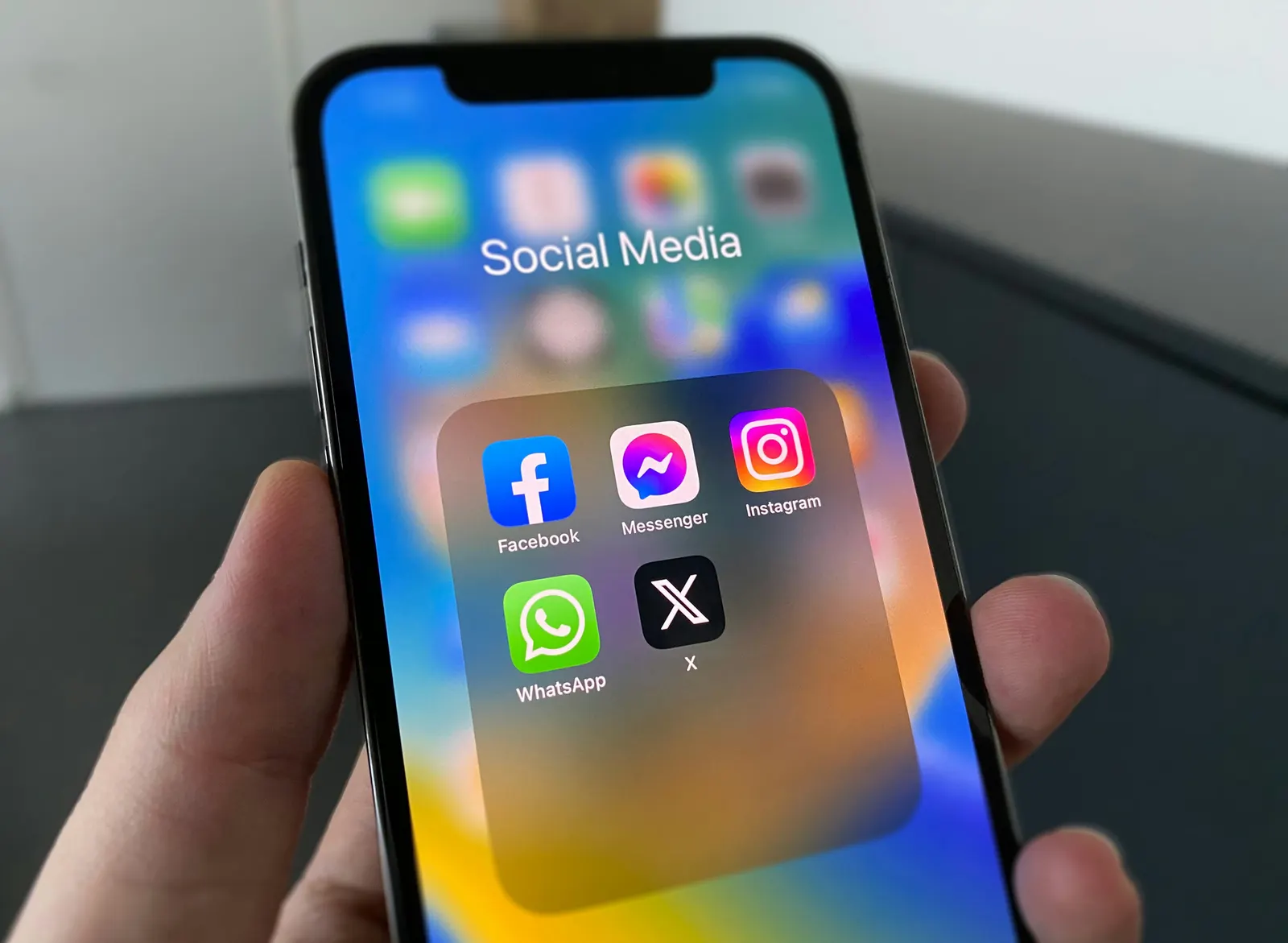
UGC, short for user generated content, means videos filmed by real people with your product in their hands, for you to use in your ads and on your brand's social channels. If you're deciding whether now's the time to invest in it, the past year has changed quite a lot, because ad money has moved to video, creators have started fronting the ads themselves and artificial intelligence, AI, has arrived with new rules attached. I've been filming for brands since 2024 and I run UGC campaigns with a network of Portuguese creators, so here's what's changed, with all the sources at the end.
Ad money went to video on social media
The annual report from IAB Europe, the European association for digital advertising, shows that in 2025 digital advertising across the 30 countries it tracks grew by 10.5%, to €131.1 billion. On social media growth came to 19.2%, driven by video, which grew 25.7% in a year. Video now accounts for 52% of everything brands spend on ads on those platforms, more than images and text combined.
On the viewers' side, Meta tells the same story. In July 2026 it said time spent watching video on Facebook had risen 9% in a year and time spent on Instagram had grown by 10% or more, driven by recommendations in the feed and in Reels, the short vertical videos. Your ads show up in the middle of those videos, on a phone, and that's the screen they need to be designed for, right from the script.
In Portugal, people follow brands on Instagram
Here, the best picture comes from Marktest's annual study of the Portuguese and social media. In the 2026 edition, Instagram is for the third year running the network people in Portugal say they use most often, named by 32.2%, and among younger people TikTok comes right after it. In the 2025 edition, carried out among users aged 15 to 64, 54.7% followed brands, and 72.9% of them used Instagram to look at brands' pages.
Social media is already part of buying, too. In the same study, 51.6% read other consumers' comments before buying and 30.3% said they'd already bought directly on a social network, with Instagram overtaking Facebook for the first time as the network where they made their last purchase. A UGC video takes the shape of those comments, a person showing the product and saying what they thought, and it appears right where that decision gets made.
Creators started fronting the ads
On Meta, partnership ads are the ones where the brand puts budget behind content made with the creator, with her permission, to reach people who don't follow her. Meta calls them the most effective way to work with creators at scale and says that, added to business-as-usual campaigns, they delivered on average a 19% lower cost per acquisition, which is what you pay for each customer. In December 2025 it also opened its creator marketplace, where brands look for creators for these ads, to businesses worldwide, after it had been available in only 19 countries.
On TikTok, a similar idea is called Spark Ads: with the creator's permission, the brand turns a post on her account into an ad, and the likes and comments all stay on the original post. TikTok's trend report for 2026 advises brands to connect with creators to bring authentic content into paid campaigns. Because these ads use the face and profile of whoever filmed them, how long they can run needs to be agreed in writing before anyone films.
What counts as a new ad
In December 2025, Meta explained that Andromeda, the system that picks from tens of millions of ads the ones it can show each person, treats similar-looking ads as versions of the same ad and pools what it learns from them. So changing the font colour or the background of a video doesn't make a new ad. By July 2026 more than 9 million small businesses were using at least one of Meta's AI tools to create ads, and those tools will quickly give you lots of versions of the same ad, but what counts as a new idea is still a different person talking to a different audience.
In the UGC campaigns I run, this is where I spend the most time before anyone films. For each product I pick, from my network of more than 100 Portuguese creators, the ones who speak to the brand's different customers, I write the scripts and briefs so each video tells the story in its own way, I follow the shoots and I deliver the videos ready to publish. That way the brand goes into its ads with genuinely different ideas to test against each other, which is what Meta asks for.
AI has reached ads, and a real person counts for more
AI can already make people who look real, and it's tempting to think an avatar could do a creator's job, but social media users in Portugal are wary. In the 2026 edition of the Marktest study, 64.7% of those who know AI tools said AI-generated content is less credible, and 95% think it's important for that content to be labelled. Advertising is among the AI-made content people accept most readily and product reviews among the content they accept least, and a UGC video is exactly that, a person reviewing a product.
TikTok itself writes, in its trends for 2026, that humanising a brand goes beyond an AI avatar or a chatbot, and the law has moved the same way. Since 2 August 2026, the EU's Artificial Intelligence Act has required anyone using AI to generate or manipulate images, audio or video that resemble real people, places or events, and could pass for genuine, to disclose that it was artificially made. On TikTok, anyone creating an ad has to flag content that was fully generated or significantly altered by AI. The Portuguese Advertising Code asks for personal, genuine and verifiable testimonials, and a person created by AI has no experience of your product to share, so leave testimonials to people who've actually used it and, if in doubt, check with whoever handles the legal side of your brand.
What to do at your brand now
If you're investing in videos for ads over the next few months, this is what I'd take from everything that's changed:
- Think Instagram first if you sell in Portugal, and add TikTok if your audience is younger.
- Ask for vertical videos that fill the phone screen, which is where people's time and the ad money are today.
- Plan different ideas, with different people and situations, instead of lots of versions of the same video.
- Agree in writing whether the videos will run as partnership ads or Spark Ads, and for how long.
- If you use AI, label what was generated and don't have it giving testimonials.
In my campaigns, the person on camera is always a real one, either me or one of the Portuguese creators I've chosen one by one, and three months of paid ad usage come included. In the Carlega campaign, for a brand that sells car products, the videos I filmed ran on Meta Ads and brought in 469 purchases at €5.79 per purchase, with a ROAS, the sales value for each euro spent on ads, of 6.43. Those numbers also depend on the product and the campaign, so I don't promise them to anyone, but they show what a real person can do in an ad. Tell me what you sell and I'll reply within 24 hours.
Sources
- IAB Europe, AdEx Benchmark 2025 (7 July 2026)
- Meta, second quarter 2026 earnings call (29 July 2026)
- Marktest, Os Portugueses e as Redes Sociais 2026: Instagram is the most used network (13 October 2026, in Portuguese)
- Marktest, Os Portugueses e as Redes Sociais 2025: methodology (July 2025, in Portuguese)
- Marktest, Os Portugueses e as Redes Sociais 2025: Instagram for following brands (28 October 2025, in Portuguese)
- Marktest, Os Portugueses e as Redes Sociais 2025: reading comments before buying (23 December 2025, in Portuguese)
- Marktest, Os Portugueses e as Redes Sociais 2025: buying on social media (18 November 2025, in Portuguese)
- Meta for Creators: partnership ads (October 2026)
- Meta, partnership ads with creators (11 December 2025)
- TikTok Ads Help Center: Spark Ads (June 2026)
- TikTok, TikTok Next 2026 trend forecast (14 January 2026)
- Meta, demystifying creative diversification (16 December 2025)
- Marktest, Os Portugueses e as Redes Sociais 2026: AI on social media (29 September 2026, in Portuguese)
- European Commission, Artificial Intelligence Act, Article 50: transparency obligations (October 2026)
- European Commission, Artificial Intelligence Act, Article 3: definition of deep fake (October 2026)
- European Commission, Artificial Intelligence Act, Article 113: application dates (October 2026)
- TikTok Ads Help Center: ad disclaimers and AI-generated content (September 2025)
- Portuguese Advertising Code, Decree-Law 330/90, consolidated text (Article 15), Lisbon Regional Prosecutor's Office (October 2026, in Portuguese)
- Carlega campaign results on Meta Ads, in Lara's portfolio
Thinking about putting real people in your ads?
See how I choose the creators for each brand